


S
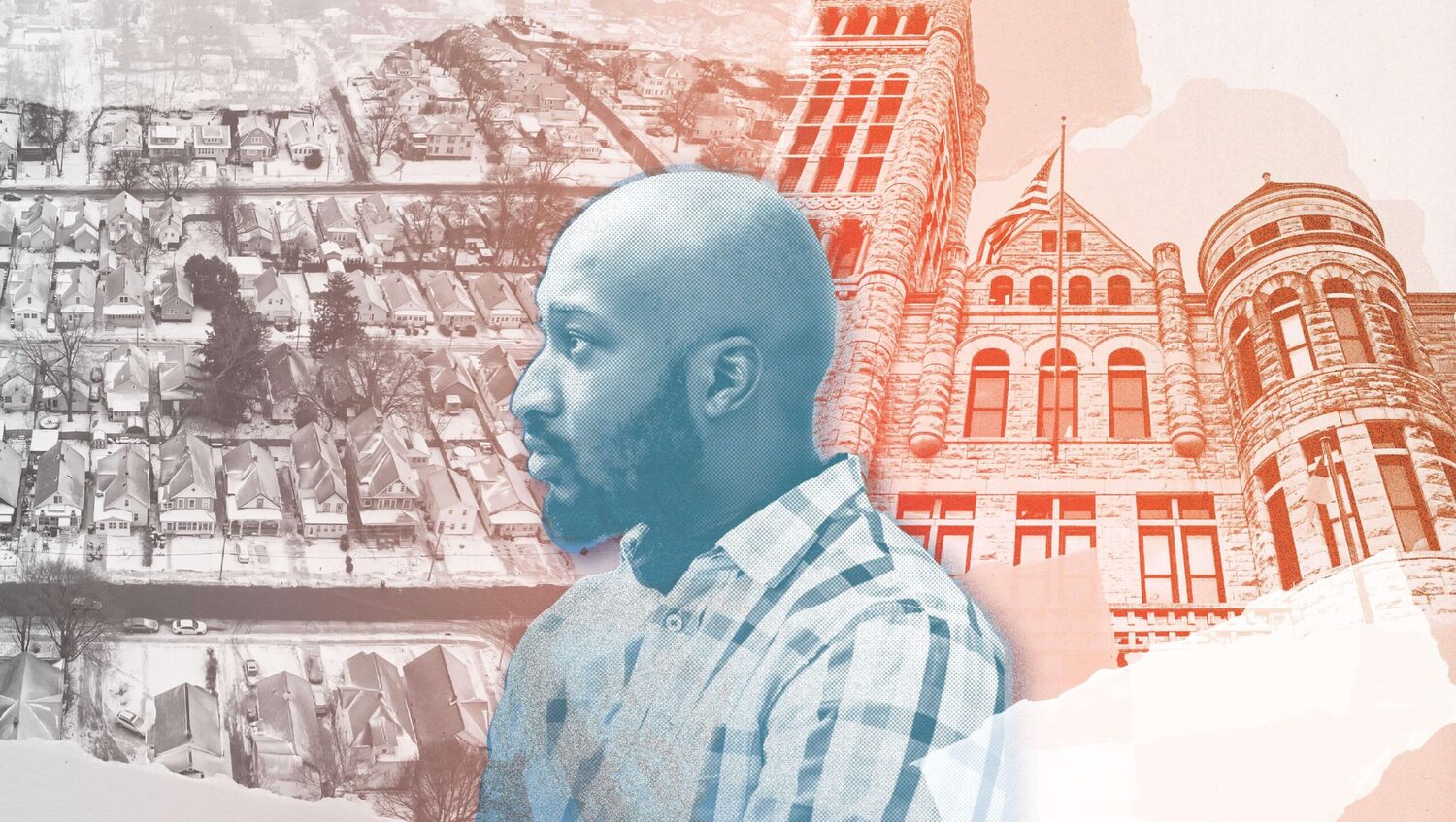
ince his election to the Onondaga County Legislature in November 2023, Maurice “Mo” Brown feels nauseous when observing the toll the Syracuse housing crisis has left on the communities he represents.
The 33-year-old gets a pit in his stomach when he questions if he’s doing enough to curb the issue. He rarely feels like he is.
“Having secure housing is a human right. Fundamentally, it’s just so hard to focus on literally anything else if you don’t know where you’re going to be sleeping tonight,” Brown said. “We subject so many of our children to that.”
It’s not hard for Brown to assess the crisis himself. Brown grew up in Section 8 housing in the Bronx, and the realities he sees in Syracuse today mirror his own backstory. He grew accustomed to abusive landlords, went days at a time without hot water and had to couch-surf a few times, too.
It’s what compelled his return to the city of his alma mater, Syracuse — to serve those living in one of the nation’s worst housing markets.
Yet, the young Democrat’s first two years on the job saw little progress — housing remains unaffordable and new developments are scarce.
When Brown visits the neighborhoods he serves, he said he sees despair, confusion, unchecked landlords, broken families and innocent children forced to live on the mend.
He said what drives his policymaking decisions is securing rights for Onondaga County and making sure Syracuse’s city government echoes that agenda.
Despite this, little has changed.
As one of the few Democratic leaders in Onondaga County who centers their messaging around passing laws that solve the housing crisis, Brown — the county’s 15th District representative — said he’s appalled by how far Syracuse has fallen behind on this issue.
Zoey Grimes | Digital Design Director
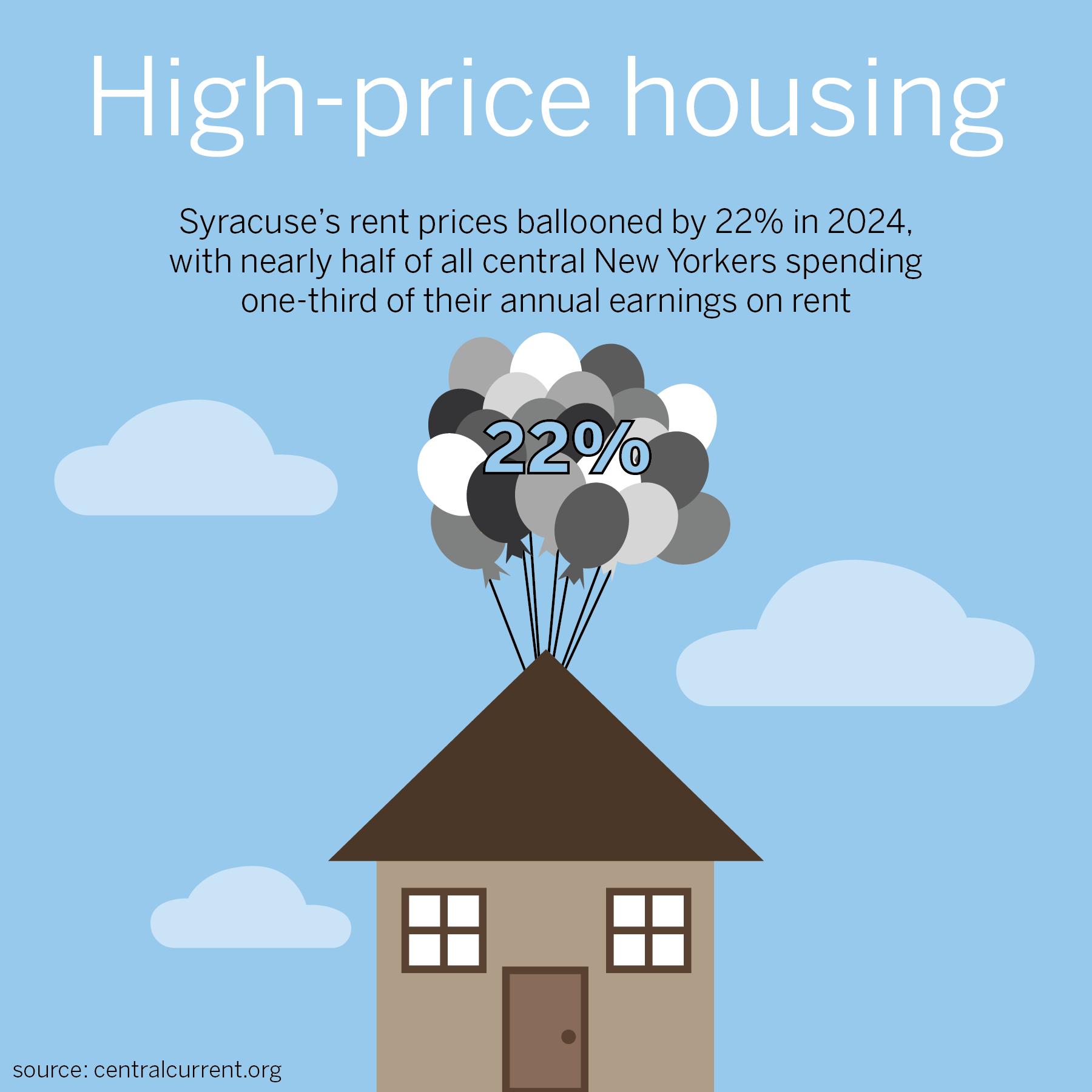
Central New York’s homelessness rate has increased by 150% between 2019 and February 2025, Central Current reported. Syracuse’s rent prices ballooned by 22% in 2024 alone, with nearly half of all central New Yorkers spending one-third of their annual earnings on rent.
As a result, many are being displaced from their homes. Alex Lawson, housing policy manager for CNY Fair Housing, said Syracuse landlords have “overpowering” control over their tenants and use discriminatory tactics to evict families from their homes.
“We didn’t end up becoming one of the most economically and racially segregated communities in the country by accident,” Lawson said. “And we’re going to have to want to undo that to actually get to a better place.”
Local Republicans have repeatedly blocked legislation, such as Good Cause Eviction laws, that could improve discriminatory removals. This past local election season, though, Democrats won big in Syracuse and Onondaga County, paving the way for their fair-housing legislation to be passed.
The average cost of a home in Syracuse is $203,874, up 4.7% from last year, and the city features little low-income affordable housing.
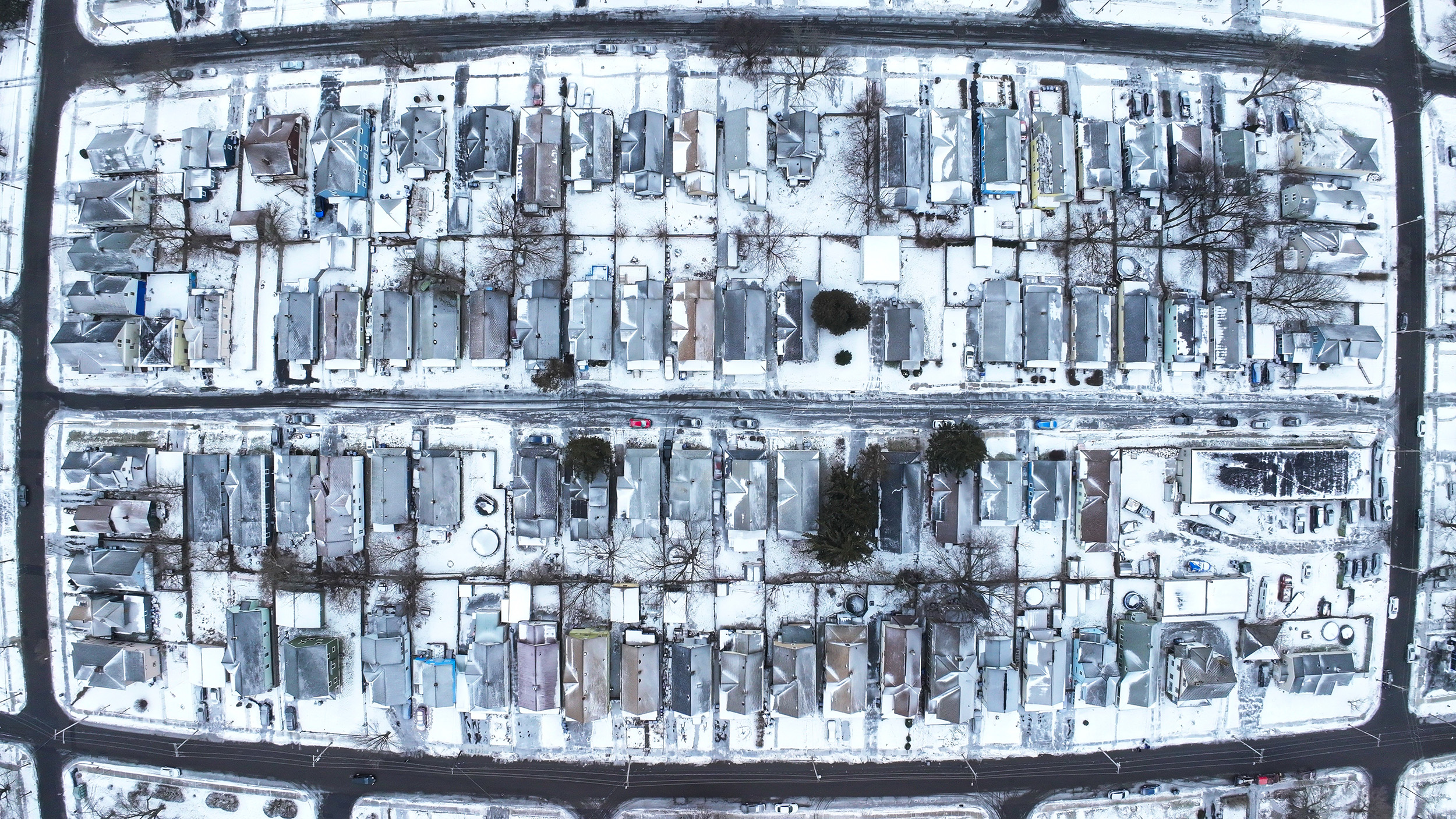
An arial view of Syracuse’s Northside neighborhood.
Zabdyl Koffa | Staff Photographer
Although Brown has tried to spur change from his position in the county legislature, it’s ultimately up to the city to enact worthwhile solutions.
Those in power fighting to end this crisis believe time is running out — even with Syracuse Mayor Sharon Owens a few weeks into what fellow Democrats say will be a term that sees major change.
Bill Kinne, who represented Onondaga County’s 15th District before Brown, said pessimism is giving way to faith in the future.
“We do have a severe housing crisis in this community, but from what I know of what Mo is thinking, it’s just not realistic,” Kinne said. “Now, however, since the Democrats are in charge of the legislature, they might be able to get something passed that could help.”
And many agree that urgency is necessary.
“We don’t have any choice,” Charles E. Garland (D), Onondaga County’s 16th District legislator, added about solving the housing crisis. “Now we have to do something. If people don’t have a sense of impending doom, then they’ve got a problem.”
The Daily Orange spoke to county legislators, housing experts and Syracuse citizens for insight into the ongoing realities of the housing crisis.
Correspondence and confusion
Bettie Graham, a resident of Syracuse’s University Neighborhood and CEO of The Determination Center, sees the danger the housing crisis poses.
Through her organization, which assists at-risk youth in Syracuse, Graham has helped children and families who have been evicted from their homes, which is not an uncommon occurrence in a city that has the fourth-highest child poverty rate in the nation at 40.9%.
While she believes grassroots organizations are helping curb the housing crisis, she thinks politicians are, by and large, ignoring the issue.
“I’ve been doing this for 20 years. All I’m trying to do is help our youth, save our youth, make a way for our youth, have a safe environment for our youth,” Graham said. “And my thing is, you can extend the hand, extend the olive branch, but it’s up to (the government) to also grab it. I can only extend it for so long. How long am I going to extend it before someone grabs hold?”
Garland recommended The D.O. speak with Graham about times when Graham has spoken with Brown about potential solutions to the housing crisis, saying that she “provided him with the key perspective of a community leader.”
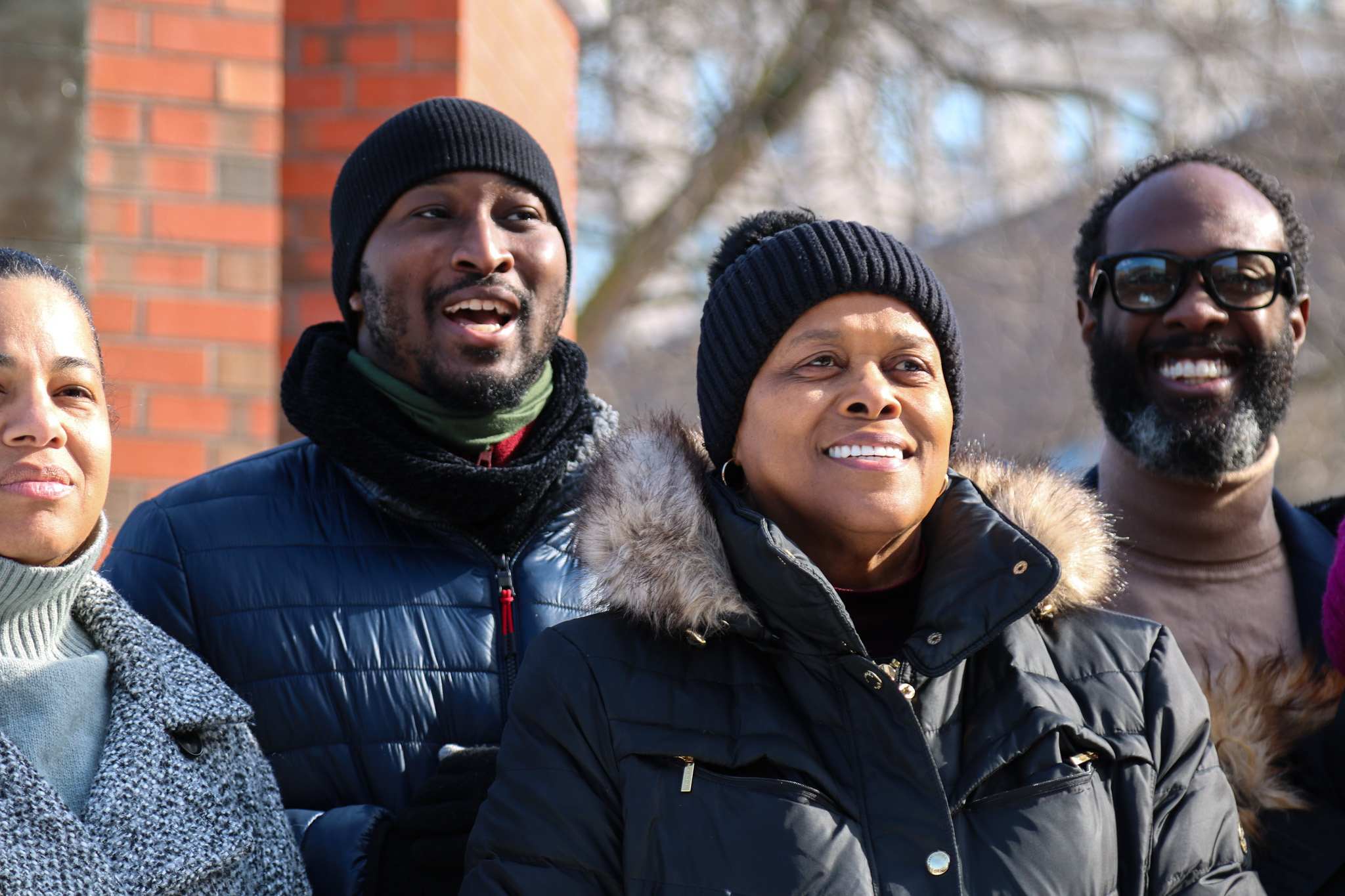
Onondaga County legislator Mo Brown and Syracuse Mayor Sharon Owens stand outside at the Rally Against Racism in February 2025.
Avery Magee | Photo Editor
However, upon interviewing Graham and following up with Brown, the two claim they have never communicated before.
Brown told The D.O. he was unaware that Garland, his Democratic colleague, gave Graham his personal number — claiming he didn’t know Graham. After learning who Graham is, Brown told The D.O. that Graham can reach him anytime via cell phone or email, adding he has never received any communication from her.
Graham said she had reached out to Brown before, though she did not provide physical evidence of her attempts to contact Brown after The D.O. requested proof of a phone call history.
Graham said she has been agitated for a while about Syracuse’s housing situation, a problem she blames on government entities and officials.
“You try to reach out and nobody seems to want to do anything,” she said.
Who’s to blame?
Lawson, who works by speaking directly with elected officials about fair housing practices, has seen the highs and lows of the city’s housing market. He said the housing crisis didn’t become such a popular issue until recent years.
“It wasn’t broadly felt. Most people were pretty happy here,” Lawson said. “We weren’t lagging behind some of these higher-cost metro areas on the coast where housing (is an issue). In the last few years, that’s changed.”
What has escalated the city into a crisis is discrimination, Lawson said. CNY Fair Housing investigates unfair evictions and aims to hold landlords across New York state accountable.
Lawson, who used to investigate instances of housing discrimination, spoke of Black families who were kicked out of their apartments for simply being Black. He also recalled an elderly couple who were evicted from a two-story house after complaining about the stairs.
These instances happen because landlords often leverage immense costs to force low-income residents out, Lawson said.
Sharon Sherman, the Executive Director of the Greater Syracuse Tenants Network, said not just discriminatory landlord practices, but exorbitant prices taint the low-income housing market. Housing opportunities are scarce, and those available are too expensive for average-income families, Sherman said.
“It’s very shocking if you look at how much fair market rent has gone up in the past five years,” Sherman said. “People just can’t afford it.”
When it comes to the Syracuse Housing Crisis, Sherman said the city government is the entity that can create the most worthwhile change. A close friend of Owens, she believes the mayor could be the right person to lead Syracuse out of its current housing rut.
Sherman also supports former Mayor Ben Walsh’s key development projects — such as one to completely remodel Springfield Gardens — a Section 8 property across from Le Moyne College — and his effort to refurbish McCarthy Manor, an apartment complex in Syracuse.
However, McCarthy Manor still hasn’t received city financing for its renovation, Sherman said.
Sherman, Lawson, Garland and Brown all stressed building more housing in the city, whether it comes from private equity or city-backed projects. Right now, Garland said he hasn’t seen enough action from the city in recent years.
“If you’re going to point fingers, make sure you’re pointing fingers at the right people,” Garland added, referencing the Syracuse city government.
Garland said Syracuse and Onondaga County as a whole will face dangerous consequences from the county’s $100 billion deal with Micron to build semiconductor plants.
Because of this and rising property taxes, investors have become entirely noncommittal to new housing projects and residents have moved away or have been evicted from their homes due to rising costs, Lawson and Garland both said.
Developers are also scared to build new housing in the areas because it’s too expensive, Garland said.
“I like to call it the Micron effect,” Garland said. “Anybody who was even thinking about building housing, especially affordable housing, it wasn’t cost-effective.”
However, Sherman said Onondaga County will reap more benefits than negatives from the chip manufacturer, providing higher-income jobs to grow the economy.
Brown, however, has tried to advocate for the enactment of multiple housing laws over his tenure as county legislator, yet has been repeatedly denied.
Despite his efforts to campaign for it, the city of Syracuse has not yet adopted Good Cause Eviction — a New York state law that guarantees tenants the right to renew their lease if they so choose and bans no-fault evictions.
Brown called it an abomination, citing the unnamed DeWitt family who say they were evicted when they requested repairs after a household injury caused by a broken staircase.
“It was the textbook reason for why we need Good Cause Eviction,” Brown said.
For now, it’s a blame game between all parties involved. Brown fiercely blamed county Republicans for what he feels is inaction, saying they are quicker to fund the million-dollar Aquarium project rather than provide help.
Garland, said GOP legislators, who have controlled the Onondaga County Legislature since the 2000s, consider themselves stewards of taxpayers’ money.
“When we’re talking about county legislators, some of them have this myopic view on life, like ‘I’m in the city, my primary concerns are here,'” Garland said. “But you have to be aware that we represent more than half a million people throughout all of Onondaga County.”
Onondaga County Executive Ryan McMahon introduced the Onondaga County Housing Initiative Program in 2023, which distributed $10,000,000 in grants to nonprofit and private housing investors to construct new units in the county.
McMahon’s office did not respond to The D.O.’s request for comment.
Moving forward
Precious seconds are being wasted as the city of Syracuse and Onondaga County continue to stall on creating worthwhile housing legislation.
That’s what goes through Brown’s head each day.
As he recounts turbulent childhood memories of low-income housing, he can’t subdue the emotion he feels when he sees the same issues prevalent today. Especially when he talks to local families who tell horror stories about children who are being forced to hop from sofa to sofa at their friends’ place because their family got kicked out of their home.
But despite the current severity of the housing crisis, there’s light at the end of the tunnel.
Every day that thought makes me sick to my stomach. I just feel like I’m not doing enough to help them.Mo Brown, Onondaga County Legislator
Lawson thinks that the last two years saw little demand for housing in Syracuse due to disparaging prices.
However, the city’s updated infrastructure has led Lawson and CNY Fair Housing to believe there will be higher demand to build affordable housing in Syracuse going forward — which hopefully, Lawson said, would be affordable multifamily housing that can be integrated into existing neighborhoods rather than replacing them through gentrification.
It’s an opportunity the city must seize in the near future, Lawson warned. To Garland, solving the issue isn’t rocket science; just eternal political gridlock he can’t fix alone.
He advocated for the city simply buying more land, hiring private contractors to finish the projects it committed to when he was first elected to the county legislature.
One in four Syracuse children will leave the city before the end of the school year. One in 10 children in Syracuse is experiencing homelessness.
Brown is driven by those statistics.
“I don’t have time to explain to people why we’re falling so far behind,” Brown said of the housing crisis.
Now a legislator, the same child who once lived in a shelter said he regrets not doing more to help kids facing the same hardship.
“Our children are supposed to be the next generation and supposed to save us from all of this? And we’re treating them like this?” Brown said. “Every day that thought makes me sick to my stomach. I just feel like I’m not doing enough to help them.”
Photographs by Avery Magee | Photo Editor, Lars Jendruschewitz | Senior Staff Photographer, Zabyl Koffa | Staff Photographer
Published on January 22, 2026 at 3:16 am