Opinion: Proposed alcohol tax would hurt SU party scene, benefit New York
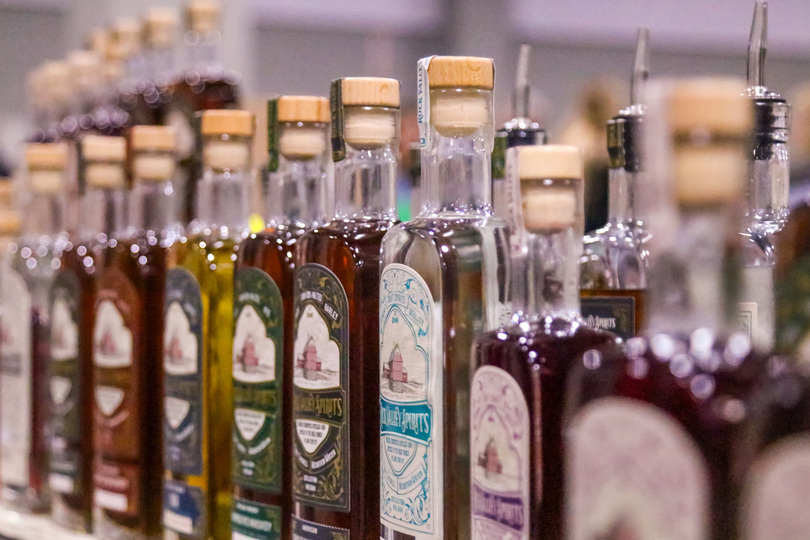
Our columnist suggests a proposed state tax on alcohol in New York will change the party culture at Syracuse University. This is a good thing, he claims, since the tax will protect underage drinkers. Avery Magee | Photo Editor
Get the latest Syracuse news delivered right to your inbox.
Subscribe to our newsletter here.
In 2026, Syracuse University ranked at No. 7 on Niche’s list of partying on United States campuses, a designation suggesting a campus environment where drinking is common and the risk of alcoholism persists.
The ranking may spark debate, but it’s indisputable that SU has a reputation for an active party scene.
But, this culture may be on the brink of change.
On Feb. 6, lawmakers in the New York state legislature proposed a 5% excise tax on all alcoholic beverages, with the revenue earmarked for substance addiction treatment centers. Lawmakers cited two factors behind the proposal: expanded access to regulated markets for addictive substances and recent federal cuts to treatment services.
As the top party school in New York, SU students and faculty will be directly impacted by the policy. If implemented, the excise tax would raise prices, a change likely to be unpopular among students.
The proposed tax is expected to face strong opposition from the alcohol lobby and potentially be criticized as regressive. Yet, it would act as a public good for New York and could set a precedent for other states. The tax could generate millions of dollars in revenue, helping prevent addiction deaths, reduce reliance on the federal government and protect underage drinkers.
More than 2.8 million New Yorkers have struggled with addictions to major substances such as opioids, marijuana and cocaine. Opinions differ on the causes of rising addictions over the past four decades, ranging from the war on drugs to the nationwide opioid epidemic and socioeconomic factors. Still, it’s clear that drug addiction is a serious problem in New York.
Additionally, people struggling with addiction, particularly in rural areas, often face difficulty attaining treatment due to limited access to care centers. Increased funding could help expand treatment availability across New York, especially for those who formerly lacked access.
Without a doubt, alcohol taxes would rake in substantial revenue for the state. New Yorkers spent nearly $12 billion on alcoholic beverages in 2025. If enacted, a 5% excise tax would generate roughly $600 million annually for substance addiction treatment programs.
With this increase in funding, facilities treating drug addiction could afford higher-quality medical technology, aiding patients and preventing relapses. These improvements could save hundreds, potentially thousands, of lives a year in New York state, making the tax a worthwhile public health measure.
As President Donald Trump continues to cut federal support to states, many important New York state addiction programs have struggled to secure adequate funding. Just last month, the Trump administration cancelled over $2 billion in federal funding for nationwide mental health and addiction programs. Although the cuts were later reversed, the move demonstrates both the administration’s ability and intent to reduce support for vital services.
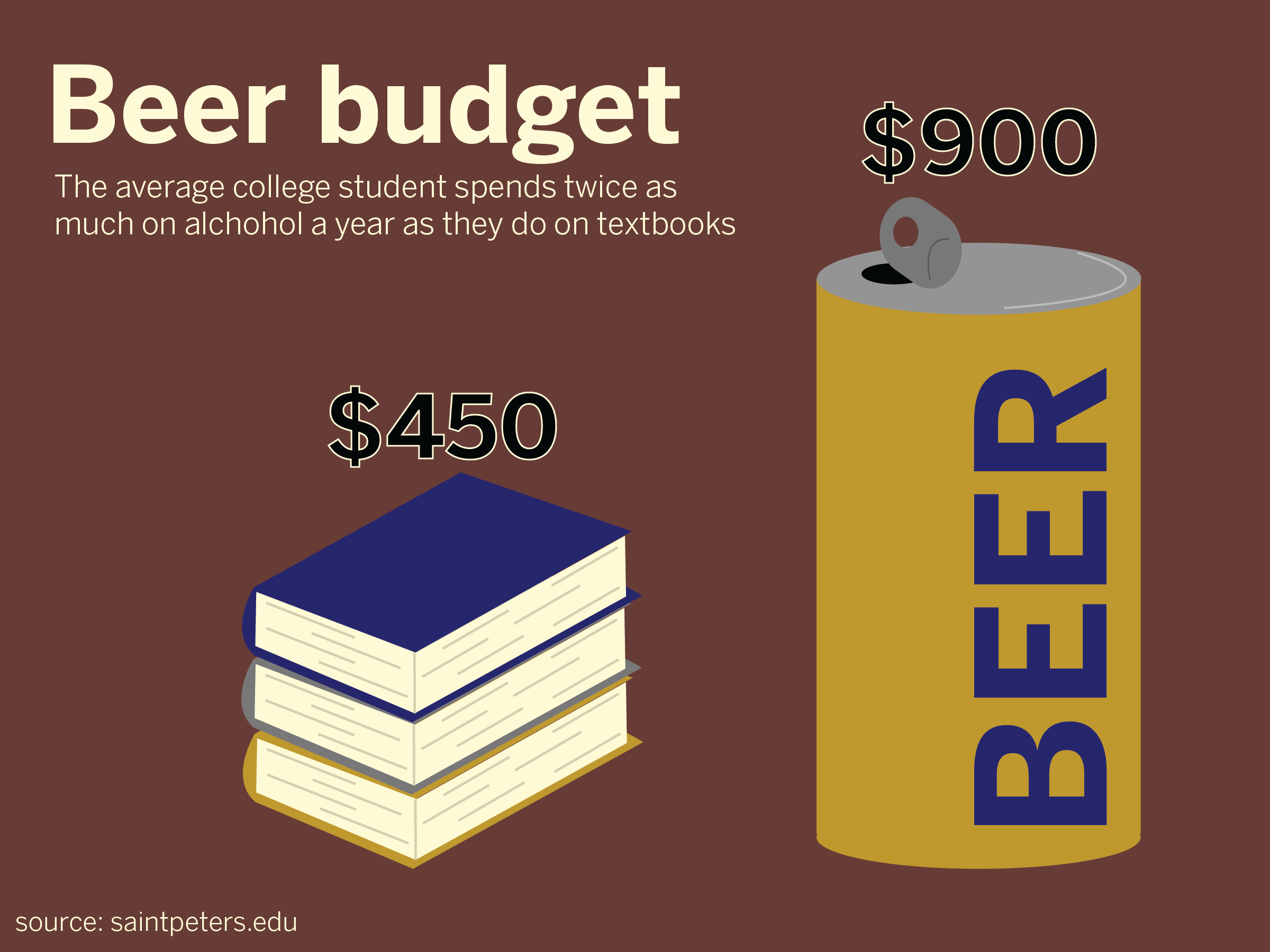
Zoey Grimes | Design Editor
Further federal cuts, particularly to public health funding, remain highly plausible and could place additional strain on these addiction programs. Revenue from the excise tax could help offset these losses, providing a consistent monetary base and reducing reliance on federal decisions that can fluctuate with each administration.
In the long term, the excise tax could complement federal funding for addiction programs or serve as a financial safeguard during periods of major cuts. This stability would allow programs to plan more effectively without being dependent on federal support.
Underage drinking remains a problem in New York, and higher alcohol prices through additional taxes have been shown to discourage consumption. While a tax wouldn’t eliminate underage drinking entirely, it could deter young people with little disposable income from purchasing alcohol.
Although the proposal is new and has not yet faced major opposition, resistance is likely. The New York State Liquor Store Association, an influential lobbying group, is expected to oppose this tax. The NYSLSA has contributed large sums to New York state lawmakers through political action committees in recent years.
Many New Yorkers may oppose the tax, given that it’s expensive, may harm businesses and could disproportionately affect low-income residents. These are viable arguments, but they largely fall apart under a cost-benefit analysis.
Businesses that rely on alcohol sales will see a decrease in revenue and low-income New Yorkers will feel the price increase more acutely than higher-income residents. But, these drawbacks are outweighed by the broader benefits.
Expanded funding would allow treatment centers to help the greatest number of people, including low-income New Yorkers who are often the least able to access care.
While this is not a permanent fix to issues of alcoholism, drug abuse and addiction, it provides an immediate mitigation of these issues. While New York state continues its various programs to address addiction head-on, the excise tax has potential to greatly boost research and recovery, something that will, in turn, benefit all New Yorkers.
At the same time, many college students have limited spending power, so a tax on alcohol may hit hard for many on this campus. Prices for alcohol will increase by 5%, which may sound insignificant, but for some liquors and beers, means up to an extra $10 to $15 depending on the brand.
Higher prices shouldn’t be the end of the conversation. The minor inconvenience of paying slightly more for alcohol is small compared with the opportunity to support addiction treatment and prevention across New York state. It’s extremely important to understand that this tax, like many, is a public good that will improve the quality of life of many New York residents.
Sam Jacob is a freshman majoring in political science and international relations. He can be reached at stjacob@syr.edu.