Flock camera use must be reconsidered due to privacy, safety concerns
Get the latest Syracuse news delivered right to your inbox.
Subscribe to our newsletter here.
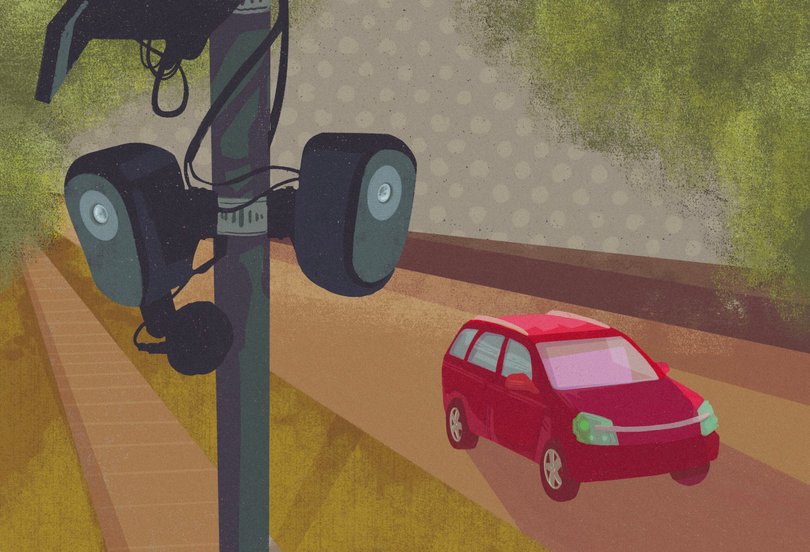
Automated License Plate Recognition technologies, such as Flock cameras, are just another new tool in a series of technological developments infringing on our day-to-day lives despite our objections. These cameras, designed to read license plates, have been posted on highways, local neighborhoods and businesses. There’s now 100,000 cameras across 49 states. These cameras are distinct in that they automatically log every car that passes them, noting their make, model, color and direction they’re traveling.
This constant surveillance and lack of consistent regulation means law enforcement and private corporations can use ALPRs for any undisclosed reason. We have no control over how often, or why, we’re being watched.
The possibilities Flock cameras give government agencies are terrifying.
In Texas, deputies claimed they were using Flock’s surveillance data to search for a missing person, but they were actually investigating a possible illegal abortion. Officers used more than 83,000 cameras nationwide to search for a woman who’d taken an abortion pill. The search included cameras in states such as Illinois and Washington, where abortion is legal.
This is just the beginning. United States Immigrant and Customs Enforcement uses Flock to target immigrants. A woman and her family, including children, were held at gunpoint because Flock mistakenly detected her car as stolen. Footage from sensitive locations, like playgrounds and pools, have been shown in Flock demonstrations without consent from the people recorded. More than 50 police officers have used Flock to stalk significant others, exes and innocent civilians. In Kansas, police pursued a man using Flock after he wrote a critical op-ed about their department.
The implications are also terrifying for women and those in close relationships with law enforcement officers. Law enforcement officers are responsible for 40% of reported domestic abuse. Flock camera use by these officers, without proper regulation, could have dire effects for those already at a higher risk of intimate partner violence.
These cameras are already incredibly misused on a large scale.
ALPR data is constantly being shared across at least 4,000 law enforcement agencies nationwide, and so far, there’s little access restriction. There are no limits on how long the data is stored, where it’s stored or how it’s used. Flock also made several changes to its terms and conditions, reducing government control over data and giving the company more power.
The power we give technology companies and law enforcement in the name of safety must be reevaluated.Helena Sauriat, Columnist
The supposed benefits of these cameras are outweighed by privacy concerns. Less than 1% of cars scanned by ALPRs are connected to any sort of criminal activity or wrongdoing.
The lack of transparency around law enforcement using these ALPRs isn’t being properly addressed. Many license plates are being searched using Flock data without valid cause. This is rampant corruption and abuse of the database.
The city of Syracuse has taken down all of its public Flock cameras after reported data concerns. The Syracuse Police Department also supposedly opted into a national database accidentally, which allowed ICE to use Syracuse Flock cameras in its investigations against migrants.
But, Syracuse went on to approve a five-year contract with Axon, another company just as problematic as Flock. Axon, which also supplies SPD’s body cameras, has installed 14 new cameras in Syracuse, with 12 more to come. Despite trying to position itself as a more ethical version of Flock, it continues to lobby against technology transparency laws and supply ICE with tasers, despite the agency’s reckless abuse.
While Axon continues to install cameras around Syracuse, Destiny USA and other private companies continue to use Flock. Destiny has reported scanning 400,000 vehicles a month to arrest shoplifters and trespassers, though its few success stories are incredibly vague.
The power we give technology companies and law enforcement in the name of safety must be reevaluated. They’ve proven that they’ll abuse it, as is the case with Flock cameras. A simple query into these databases can reveal everything about you: where you live, eat out, work, shop and take your kids to school. It’s up to us to resist surveillance.
As this constant surveillance becomes normalized, it becomes harder to change. It isn’t normal to always be under watch. It isn’t normal for law enforcement to use your license plate against you out of some personal vendetta. Communities across the country have already successfully gotten rid of ALPRs. Syracuse can, too.
Helena Sauriat is a junior majoring in journalism and history. She can be reached at hrsauria@syr.edu.