Student ambassadors transform brand outreach into connection on SU’s campus
Get the latest Syracuse news delivered right to your inbox.
Subscribe to our newsletter here.
Marching home from the other side of campus after an early morning of classes can be a drag for some students. But finally, after walking through the door, some are greeted with boxes filled with their wishlist items. For free? As well as Instagrammable? And there’s 150 of them to match with their peers?
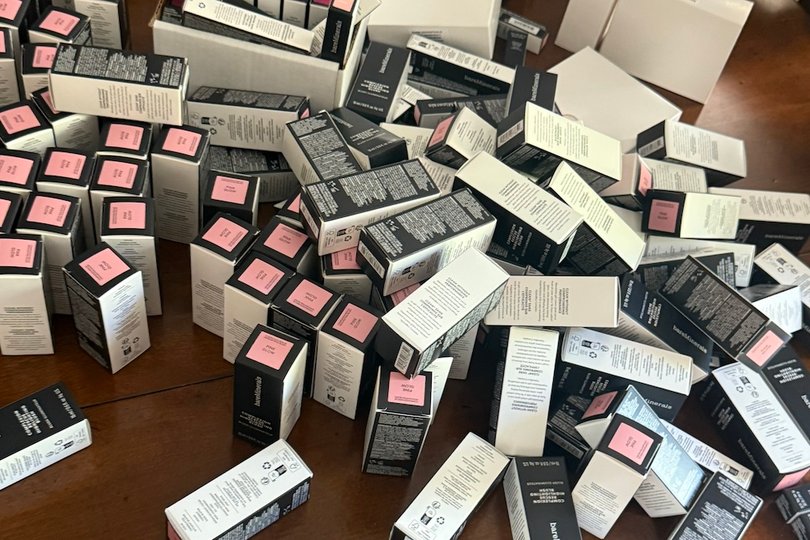
Some members of Syracuse University’s Alpha Epsilon Phi chapter are accustomed to the amount of PR packages they receive with a living room filled with P.J. Salvage pajamas, bareMinerals sweats and 500 pounds of Revlon makeup.
“We have pajama parties and sleepovers, and we were able to showcase a lot of girls’ fun personalities, and I think that that was really important for the collabs,” said Mattingly Weisholtz, SU and AEPhi’s head of Recruitment, partnerships and TikTok. “We get good use out of them.”
Across SU, students are building relationships with brands, from Edikted to PepsiCo through sorority social media accounts, advertising projects and member outreach. Aside from products, these arrangements have brought professional connections and creative opportunities to campus that didn’t exist before.
These student-led partnerships come soon after SU launched its Center for the Creator Economy, which offers resources to students and organizations navigating relationships with brands.
While other students at SU also receive PR, what Weisholtz has built goes beyond “free stuff.” She created a social media and public relations team within her chapter, assigning three or four members to produce online content for individual brands. Weisholtz said AEPhi has worked with seven brands this month.
Weisholtz sees the appeal in brands reaching a group of students at once. The content she makes also introduces prospective members to the people in her house.
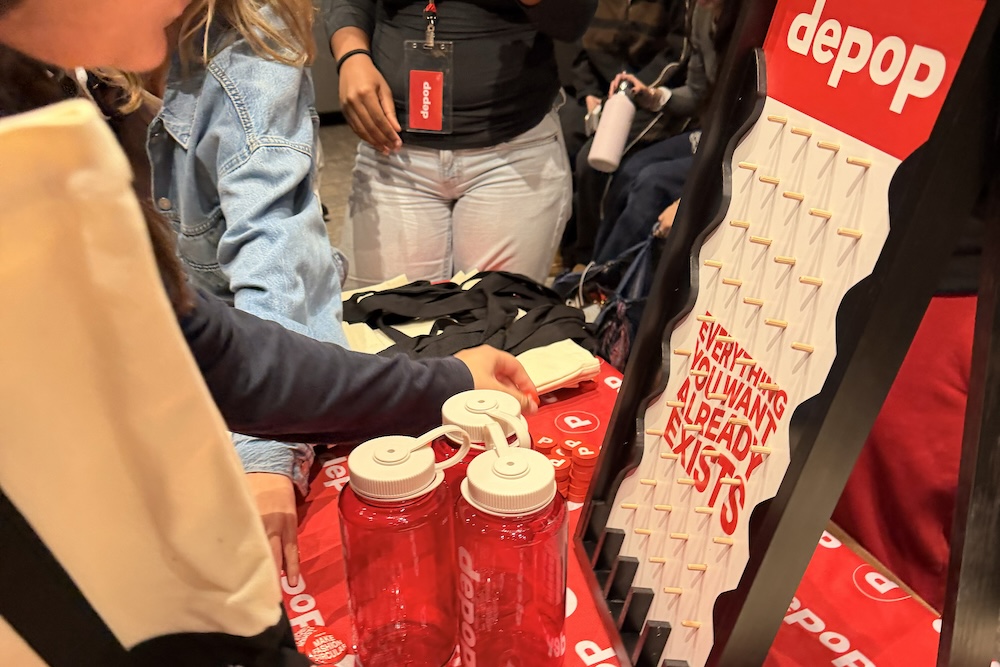
University Girl Magazine has partnered with Depop, Good Molecules and Fruit Riot over the years. These partnerships represent both the magazine’s lifestyle and fashion forward readers and the magazine’s staff. Courtesy of Orezimena “Rezi” Ubogo
Pre-professional clubs have also gotten involved. At TNH Advertising Agency — a student-run advertising agency based out of the Newhouse School of Public Communications — members have received skincare from Good Molecules. TNH’s president and SU senior Ashley Llangari was a brand ambassador for Good Molecules, which was how she acquired free products to give her club.
Llangari uses social media to connect with brands and businesses for different reasons. Last year as a Good Molecules ambassador, she supplied gift bags to members, while also increasing her outreach on finding businesses students could work with directly.
WHAT YOU SHOULD READ NEXT
SU football’s T-shirt contest winner depicts campus experience, fan values
Syracuse University alum Emma Lee was honored at SU football’s opening game for winning the 2026 SU Football T-Shirt Design Contest.
Aside from receiving free products, some student organizations like TNH partner with local businesses like Purple Banana, XO Taco and The Society, exposing members to real-life clients. Alumni and professor connections also help the agency secure larger clients, including, most recently, PepsiCo, Llangari said.
Student-run publications, like University Girl Magazine, have partnered with brands like Depop, Good Molecules and Fruit Riot, curating partnerships that fit the organization’s identity, editor-in-chief Orezimena “Rezi” Ubogo said. The magazine aims to support its fashion and lifestyle content while bringing members products they can use everyday
The magazine had previously partnered with brands that represent both their readers and the people behind it, Ubogo said.
The magazine’s relationship with Depop reflects an emphasis on sustainable fashion that already shapes the magazine’s photo shoots, Ubogo said. Members’ outfits often come from thrift stores, other members’ closets and her vintage clothing business.
“We are very intentional about the brands we work with and the collaborations that we have done,” Ubogo said.
Some student organizations occasionally collaborate with each other. Last fall, University Girl Magazine collaborated with Baked Magazine, who supplied a cake that models decorated and destroyed during a photoshoot. Foundation housing has also provided empty units to use as locations, Ubogo said.
Ubogo also seeks partnerships with smaller businesses and student creators. After meeting the creator behind Never Have I Ever, a press-on nail brand that recently collaborated with Katseye at a vintage event, Ubogo began planning a collaboration involving custom press-on nails.
Those relationships between students and brands can appeal to businesses because students may be close to the audiences that brands want to reach, Ryan Schram, SU’s Executive Director for the Creator Economy, said. Students also bring creativity and an authentic understanding of the current culture.
Schram encourages student leaders to consider member interests before agreeing to any campaign or partnership representing a group.
“The biggest mismatch could be trying to make a fast buck and realize that you’re alienating your follower base or putting members in a tough spot to support or prompt something they may not believe in,” Schram said.
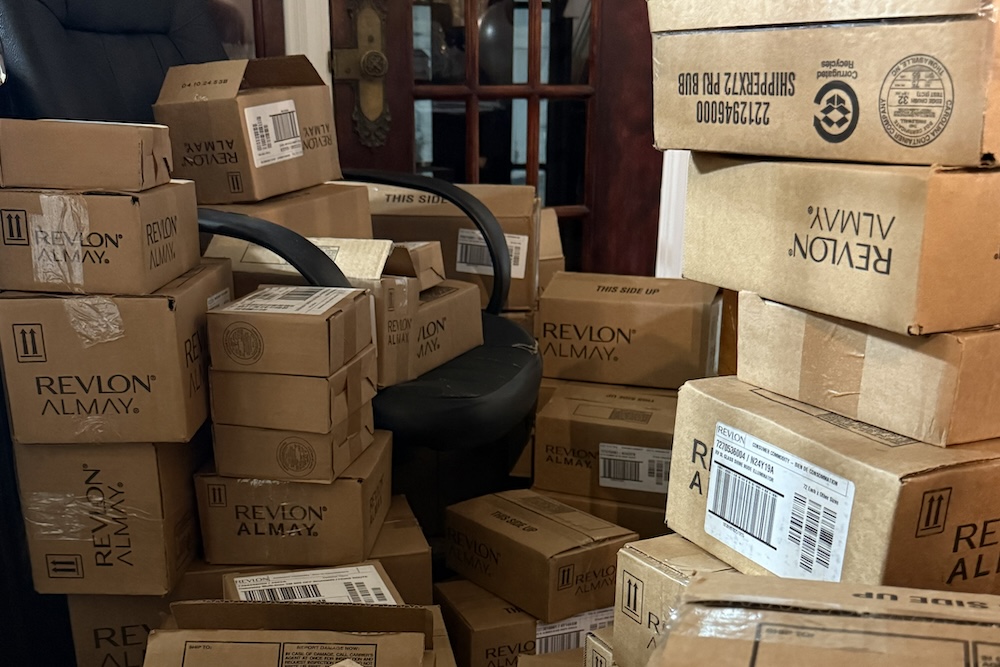
Five-hundred pounds of Revlon makeup arrived at Alpha Epsilon Phi’s house through a partnership with the sorority and the brand. Alpha Epsilon Phi’s head of Recruitment Mattingly Weisholtz was in charge of partnering with multiple brands for the sorority. Courtesy of Mattingly Weisholtz
As students develop these partnerships, the Center for the Creator Economy can help organizations navigate business questions about strategy and their responsibilities, Scharm said. While high-profile collaborations can be appealing, it’s important for student organizations to consider their members’ desires and what companies want in return, he said.
Across sororities, student agencies and magazines, these partnerships have taken different forms, but the students behind them all strive to bring resources and opportunities to their members.
For Weisholtz, the relationship she builds can also extend beyond campus, turning outreach into connections for the future.
Whenever Weisholtz sees a campaign that fits her sorority, she develops a small-scale concept and contacts the company directly, she said. Brand exposure has been a driving force of the partnerships, giving companies a direct line to what young people want and what they’re doing, Weisholtz said.
Weisholtz, who now has 25,000 followers on TikTok, started by looking at larger sororities at southern universities. Her pitches help brands reach students beyond the large SEC schools whose content garners hundreds of thousands of views on social media. When a full brand event like a Coach pop-up isn’t feasible, Weisholtz said, she pivots and suggests sending products to her sorority instead.
“Working with these brands, no matter the form, has been a way for me and my sisters to get professional opportunities in different sectors,” Weisholtz said. “While some may just see posts on Instagram, these partnerships are how we can get all we can out of being students still.”