Cornell banning fraternity parties is a reactive, short-term solution
Have you had an experience with Syracuse University’s Title IX office? Share your story with The Daily Orange’s anonymous tip line.
On Oct.13, Cornell University banned all parties and social events from taking place in Interfraternity Council houses for the remainder of the 2026-27 academic year. This is a step in the right direction but far from a solution to the problem at hand. This ban is a response to a crisis rather than a long-term solution to keep students safe.
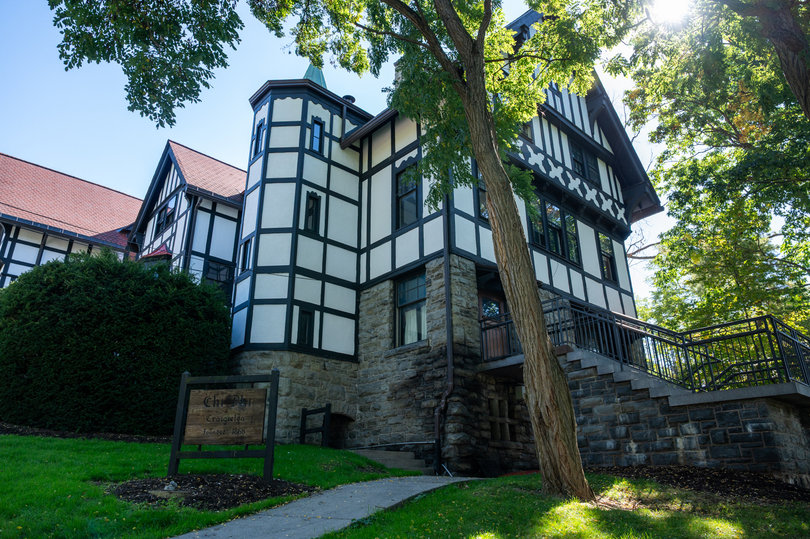
The party ban comes two years after the alleged drugging and rape of a student at the Chi Phi fraternity house and follows a lawsuit, student protest and pressure from alumni and faculty. This new policy is a necessity, yet naively ignores what happens when these parties simply move off campus.
Michael Kotlikoff, Cornell’s president, commented on the university’s Greek life scene. He said it’d become more of a staple of student life after the COVID-19 pandemic, citing how many bars and venues in Ithaca permanently shut down in 2020.
This ban’s timing shows it’s built for the moment, not for anything long-term.Peyton Tapp, Columnist
The New York Times reported that one-third of Cornell’s student body is involved in Greek life. Banning one of the main forms of social activity isn’t going to stop parties. It’s just going to change where they happen.
Cornell’s statement announcing the ban says it’s aware sexual assault “is not limited to the fraternity system,” yet the ban only targets parties that take place in fraternity houses. Gatherings in off-campus housing or rented spaces go unaddressed, as they’re much more difficult for the university to monitor.
Cornell has said it’s going to work with students and staff to build safe social alternatives. That’s a great plan, but currently nothing more. Students aren’t going to sit and wait to see what the school offers on a Friday night. The ban on fraternity parties took effect immediately, while the alternatives are still being worked on. In the meantime, one-third of Cornell’s student body has lost their main social outlet.
This ban’s timing shows it’s built for the moment, not for anything long-term.
In 2024, Cornell originally suspended and subsequently shut down its Chi Phi chapter, expelled some students involved in the case and suspended others. Some also got lighter punishments, such as writing reflective essays or campus bans for those who’d graduated.
WHAT YOU SHOULD READ NEXT
The D.O. urges proactive institutional efforts against sexual violence
The Daily Orange acknowledges the importance of The Cornell Daily Sun’s reporting on recent sexual assault allegations. Its actions prove the role student journalists play in holding institutions accountable.
The university’s most drastic responses, however, are due to recent pressure it’s faced. In the weeks after the lawsuit was filed on Sept. 16, Gov. Kathy Hochul called for an independent review of how Cornell handled the situation. Cornell’s board of trustees hired former Deputy Attorney General Sally Yates to lead a review of how the university handled the case. The party ban came one week later.
Yates will look into how the university handles reports, discipline and interactions with the campus police, in addition to oversight of Greek life and other student organizations.
It’s also going to examine the Board’s own oversight and whether the university followed its own rules and protocols in response to the case. If the case shows Cornell failed to respond to reports of sexual assault, closing fraternity houses does nothing to repair the institutional failure that’s occurred.
If Cornell wants this ban to have real impact, it must continue to take action. It needs to quickly follow up on its promise of safe social gatherings and express how it’s going to handle off-campus fraternity parties.
The ban was the right call, but it’s only the beginning, and a reminder of how Cornell got here in the first place. Cornell students deserve a response that’s going to keep them safe in the long term, not one that comes as a temporary fix after weeks of outrage.
Peyton Tapp is a junior majoring in philosophy and political science. She can be reached at petapp@syr.edu.