Unveiled this fall, SGA’s speaker series seeks increased campus transparency
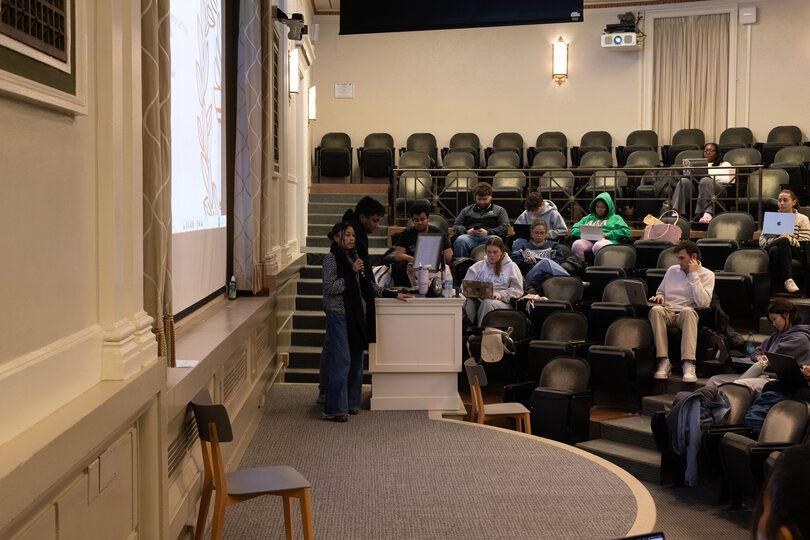
This semester, SU’s Student Government Association has hosted a speaker series that aims to increase transparency on campus. The series, which hosts campus faculty who discuss campus issues, occurs at SGA’s Monday meetings. Dana Kim | Staff Photographer
Support The Daily Orange this holiday season! The money raised between now and the end of the year will go directly toward aiding our students. Donate today.
A new speaker series launched this semester gave Syracuse University’s Student Government Association and other students a chance to speak directly to campus leaders during its regular Monday meetings.
SGA scheduled SU department heads and campus leaders to speak with students about their offices at each meeting. With the new meeting format, Speaker of the Assembly Emily Castillo-Melean said she hoped to increase transparency between the student body and the university.
“When these individuals come to the assembly (meetings), our students have the direct opportunity to ask them questions,” Castillo-Melean said. “This has also allowed our assembly members to voice concerns that represent the entire student body.”
Since the start of the semester, SGA has hosted speakers ranging from the Chancellor Search Committee to Department of Public Safety Chief Michael Bunker and SU Dining officials, covering issues like the ongoing chancellor search, United States Immigration and Customs Enforcement activity protocols and campus dining policies, respectively.
In a statement to The Daily Orange, SGA President German Nolivos said that the initiative is a way to create a space for students to bring their questions and ideas to the officials directly responsible for their concerns.
“It has also become a great way for students to express their opinions and hear about future plans for different parts of the university,” Nolivos said. “Eventually, I’d love to see non-SGA students attending just to stay informed.”
SGA Assembly Clerk Alice Jenkins said the speaker she found most helpful was John Papazoglou, SU’s senior vice president and chief operations officer, who spoke to the assembly about housing updates and textbook affordability.
Jenkins said Papazoglou completely answered assembly members’ questions and addressed their concerns.
The push to include weekly speakers came from conversations about how the assembly could better serve the student population, rather than just focusing on bills and internal SGA affairs, Jenkins said.
“In reality, the assembly meetings are open to the entirety of the student body and we really wanted to make sure we were serving them in the way we think they should be served,” she said.
Castillo-Melean and Jenkins said SGA hasn’t run into major challenges with the speaker series because the initiative is fairly new. The most difficult part so far, they said, has been scheduling speakers and discussing more “serious” matters, like campus safety, on the assembly floor.
When students don’t get anticipated answers to their questions, it can make the speaker series a bit challenging, especially when some may have stronger feelings toward “certain departments,” Jenkins said.
However, she still sees value in the initiative.
“Just having that space for those more difficult conversations and questions is still beneficial to everyone,” Jenkins said.
Nolivos said SGA plans to continue the speaker series in the spring semester and hopes that future administrations build on this assembly meeting structure.
Castillo-Melean added that they plan to take responses from SGA’s No Problem Too Small form to build its speaker schedule for next semester. The online survey allows all students to share concerns about campus issues. SGA plans to contact and personally invite students to the meeting when a SU representative is speaking about a concern they indicated on the form.
Some speakers will be invited back to share information on the progress they’ve made since their last visit, Castillo-Melean said.
“I want to see that they’re (listening to) our student voices and acting on it,” Castillo-Melean said. “Inviting them back will be a good way to make sure that they’re actually listening to us and implementing some of the things we’re (suggesting) as students.”