Opinion: ‘Young ho’ trend playfully prioritizes women’s liberation
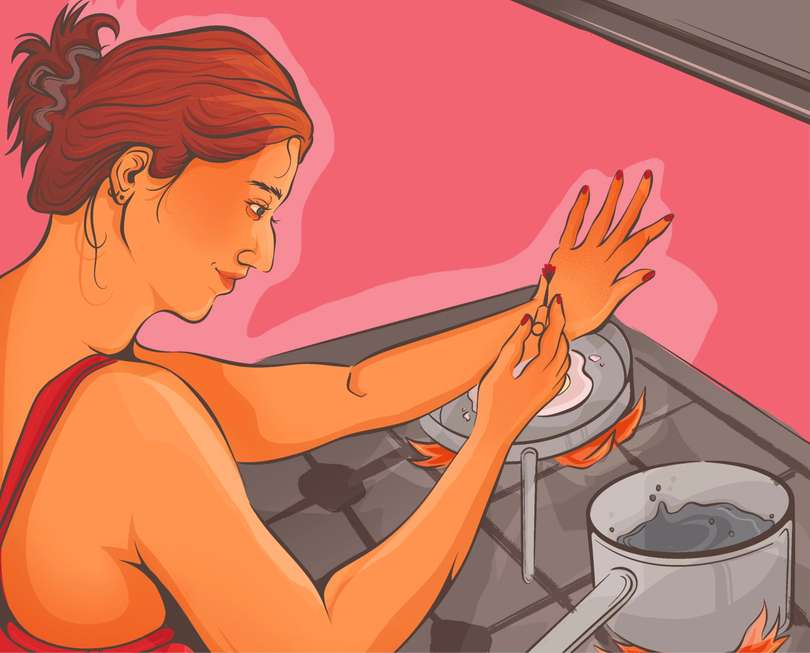
The "young ho" trend is more than just another TikTok fad, our columnist argues. Its evolved into a cultural movement, she says, encouraging women to ditch tradition to pursue personal ambitions. Emma Soto | Contributing Illustrator
Get the latest Syracuse news delivered right to your inbox.
Subscribe to our newsletter here.
I must admit that I’m chronically online in my downtime. Although the simultaneous domestic and international crises most often flood my feed, a glimmer of witty hope has recently captivated my attention and that of Generation Z.
A “young ho” is a cultural and generational figure, most often a Gen Z woman between 18 and 29. The term isn’t racially neutral as it originated in Black women’s humor and cultural context before gaining wider popularity with resonating audiences. The “young hos” aren’t reckless but rather overworked.
From using every spice in the cabinet and only cooking on high heat to tossing unsorted laundry into a quick wash cycle, the “young ho” TikTok trend reclaims imperfection. It’s an empowering rejection of the expectation that young women should aspire to be good housewives and place tradition over their personal ambitions.
Although older generations might scrutinize the playful diss, women from their early to mid-20s are doing their best in an expensive and exhausting phase of life through countercultural resourcefulness. Choosing not to prioritize becoming a good wife marks an important transformation, especially for women of color, as we reclaim the historically suppressed power to be the architect of our own destinies.
Neocolonial cycles of capitalist development have long created conditions that allow women’s unpaid labor to be exploited under the farce of it being a labor of love. This forced women to choose unfairly between building a professional career and becoming a mother. The “young ho” movement marks a transformative moment in women’s economic independence, as our shortcuts sustain us rather than serving as stereotypical evidence of the limits of our capacities.
The “young ho” trend has grown into a collective movement rooted in community affirmation, showing that ambition and support can coexist. It signals a broader shift in priorities. Young women are focusing less on polishing their image or appealing to potential suitors for financial stability. Instead, they’re prioritizing independence and pursuing their dreams.
Adelaide Guan | Design Editor
These examples of independence may seem small, like skipping class to prioritize studying for an exam. But it indicates that academics and financial independence are taking precedence. That shift is measurable, too. The share of young women earning bachelor’s degrees has risen from 25% in 1997 to surpass men’s rates at 47% today.
Recently, my mom shared that she plans to give me the recipe book she wrote while attending nutrition school, back when she was living, cooking and cleaning for her brothers in Mexico. She’s the most hardworking and passionate person I know, and I wish she had been given more space to dream beyond the traditional boundaries imposed on her and other women of Generation X and earlier.
The “young ho” trend has reminded me that even writing a recipe book isn’t something we typically do anymore as “young hos,” because it feels too time-consuming amid our busy lives spent pursuing internships, jobs and resume builders to achieve our goals.
I feel lucky to be the first woman in my family able to embrace the lifestyle of a “young ho.” Witty trends like this remind me of the hope and agency in our forecasted future, as women become increasingly educated and more active in the labor force than ever before.
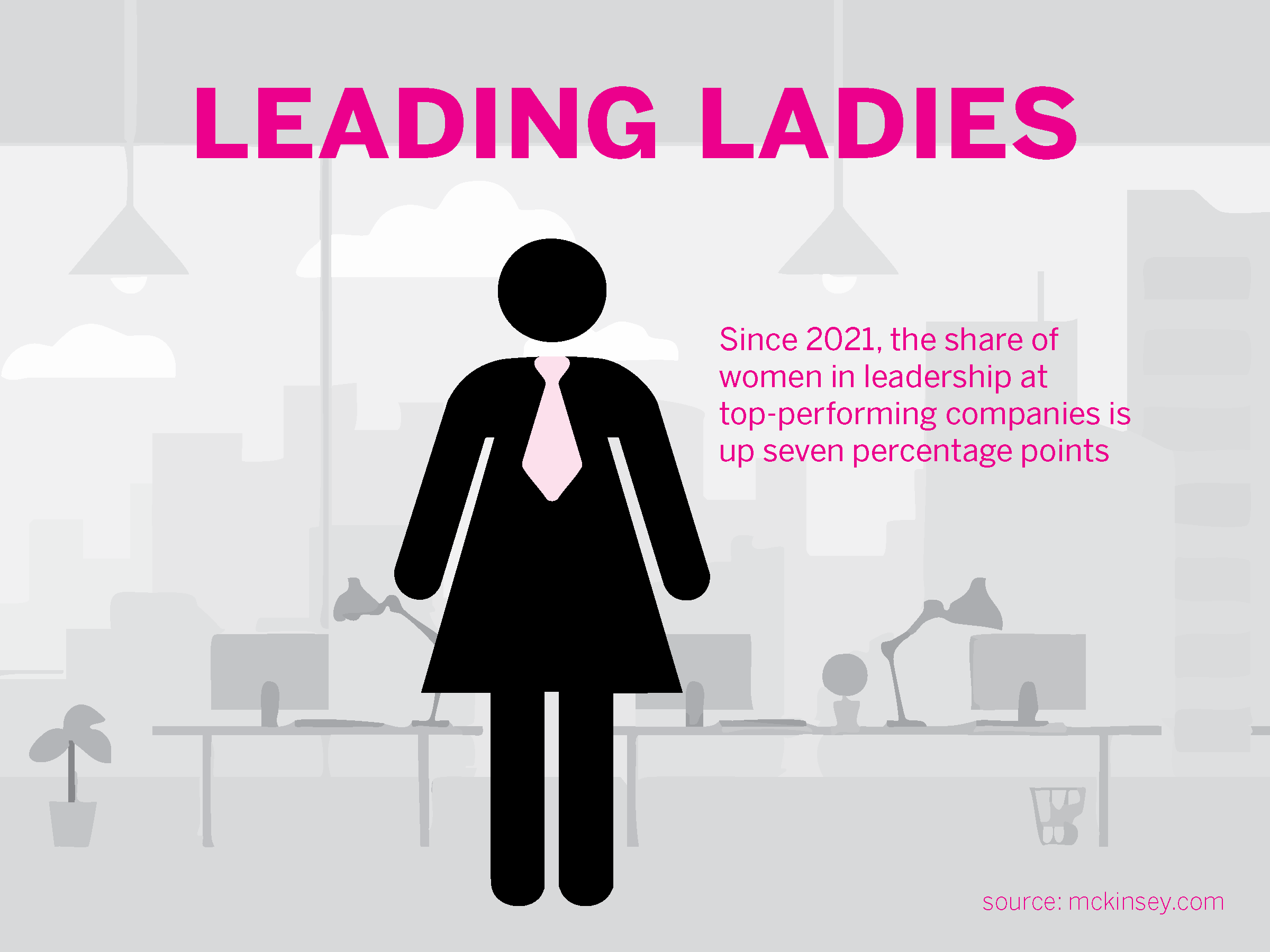
Research shows that female employment contributes to gross domestic product growth and that initiatives supporting female employment improve business outcomes, including financial performance and profits.
Ultimately, the “young ho” movement, although it may sound bizarre at first, epitomizes the progress and sacrifices made to carve a path toward economic security and success. Being a “young ho” isn’t a mutually exclusive term for women, but a defiance of traditionally patriarchal norms and a disruption of the status quo for everyone.
Valeria Martinez-Gutierrez is a senior majoring in geography, sociology and environment, sustainability and policy. Her column appears bi-weekly. She can be reached at vmarti10@syr.edu.