
Native Student Program builds ‘home away from home’ for SU’s largest cohort
Have you had an experience with Syracuse University’s Title IX office? Share your story with The Daily Orange’s anonymous tip line.
To sophomore Shayla Benedict, Syracuse University’s Native Student Program became a place for Indigenous students like herself to express and value their culture, something she said is typically harder on a college campus than at home.
“I think it’s important to show people there’s a home away from home,” Benedict said.
The program, started in 2006, was originally formed as a collaboration between three SU offices — the Student Experience Division, Belonging and Student Success and the Office of Academic Affairs, according to its website. This year, the Native Student program, which is part of the university’s Intercultural Collective, reached its largest student community in SU’s history.
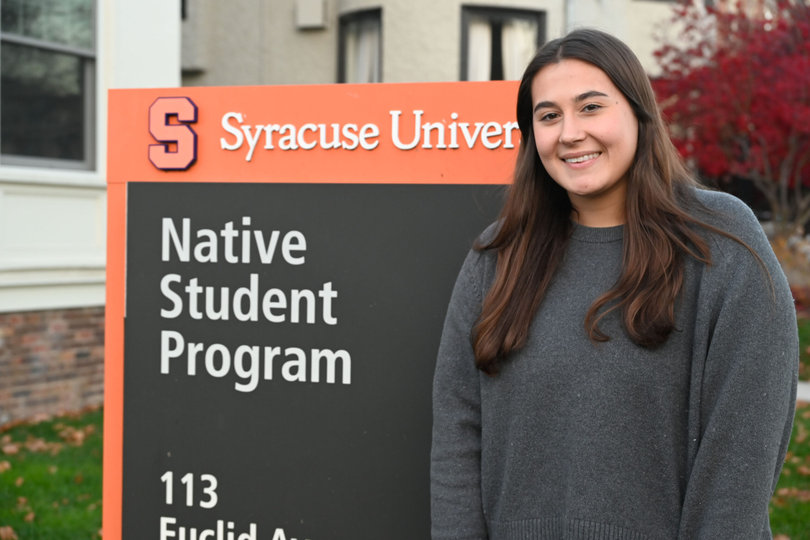
The house, located at 113 Euclid Avenue, serves as a place where Native students and those interested can gather to explore Indigenous culture and history, according to the program’s website. It also offers a variety of resources, including an Ionkerihonnien:ni Guide Program focused on supporting Indigenous first-year and transfer students through peer mentorship, cultural events, professional workshops and academic counseling.
For Mac Schmidt, a junior peer mentor for the guide program, coming to SU has helped her form a closer relationship to her culture.
“I wasn’t super connected to my culture before I came here because I do live off the reservation, so it’s kind of hard to connect with that,” Schmidt said. “Being here has made it a lot easier.”
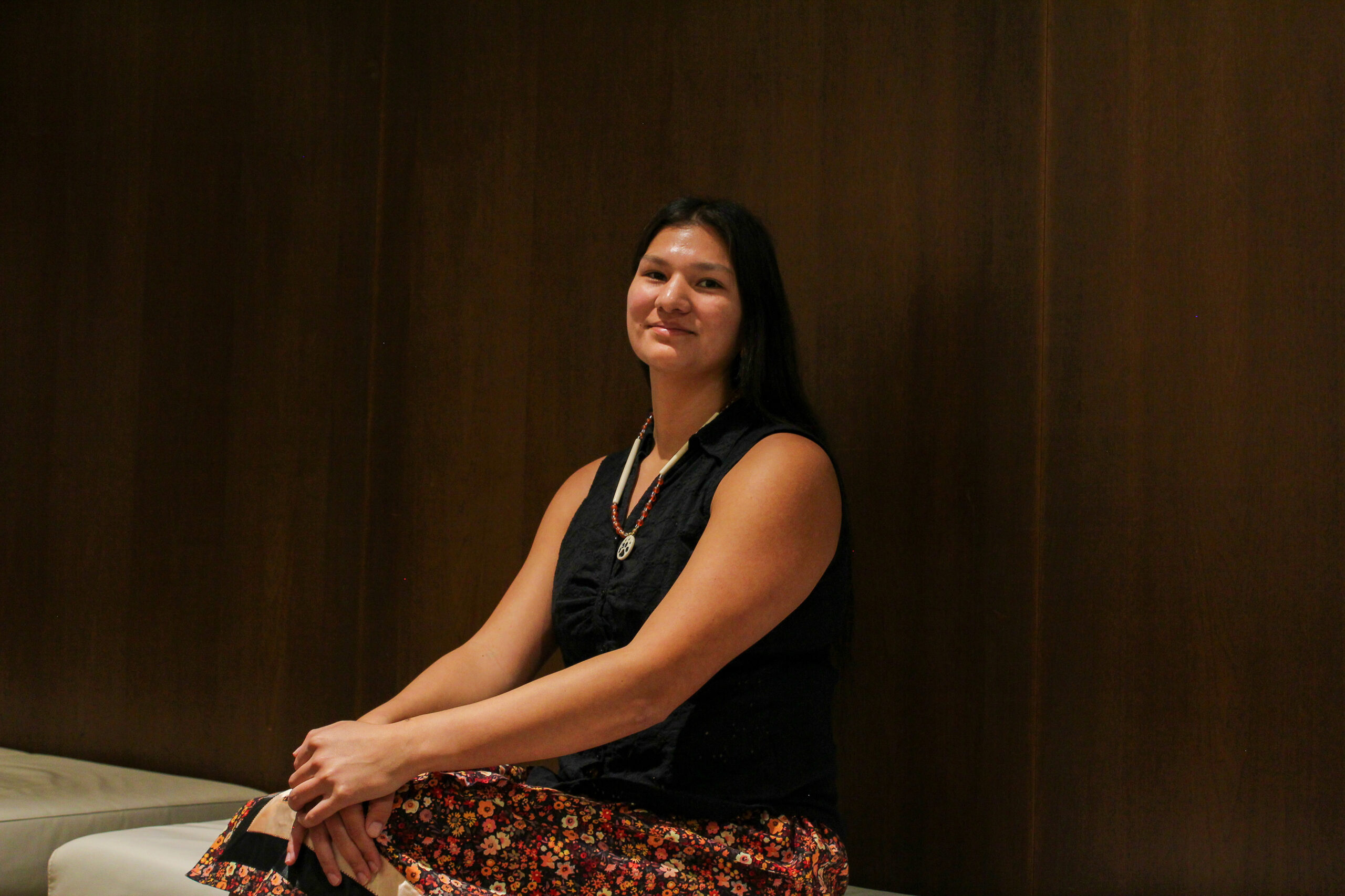
SU’s Native Students Program offers professional development and peer mentoring to facilitate a community for its students. Kaitlyn Galeazzi | Staff Photographer
The Euclid Ave. house features student-led interior design to represent Native communities, including the Haudenosaunee Confederacy and Turtle Island tribal communities, through its exposed beams representing the Roots of Peace and four directional colors of the Medicine Wheel. Schmidt describes the house as a “home away from home,” something Benedict, a sophomore peer mentor, concurred with.
“I think it’s really important because coming from small communities as Native Americans, it’s really hard to find your footing and you get a lot of imposter effects sometimes, ” Benedict said. “I feel like I grew up so foreign, but I’m not foreign at all, in a sense.”
Having a community of students who understand similar experiences helps create a sense of belonging, Benedict said.
“It’s very good because we have a strong community there and we support each other,” Benedict said. “The house is really important for that community base.”
The program also includes a “Native Identity Series,” where students take a spring trip to Native communities or historical sites, according to the website.
In addition to cultural programming, the Native Student Program offers professional development opportunities throughout the academic year. Professional workshops this year have covered topics including LinkedIn, public speaking and navigating MySlice, Benedict said.
The program also provides opportunities for students to form connections with people they might not otherwise meet on campus, such as alumni and new students, serving as a space to hang out in between classes, senior Maisie Helsey said.
“If you go to the house, there’s gonna be someone else there,” Halsey said. “If someone’s at the house that I don’t know, I feel comfortable enough to ask them questions about themselves and get to know them.”
The program provides several opportunities for students to engage with one another throughout the academic year, including a three-day orientation for first-year and transfer students as well as weekly workshops and events such as Full Moon Ceremonies, a Witness to Injustice Blanket Exercise and an Indigenous Celebration where graduating members are given a symbolic stole.
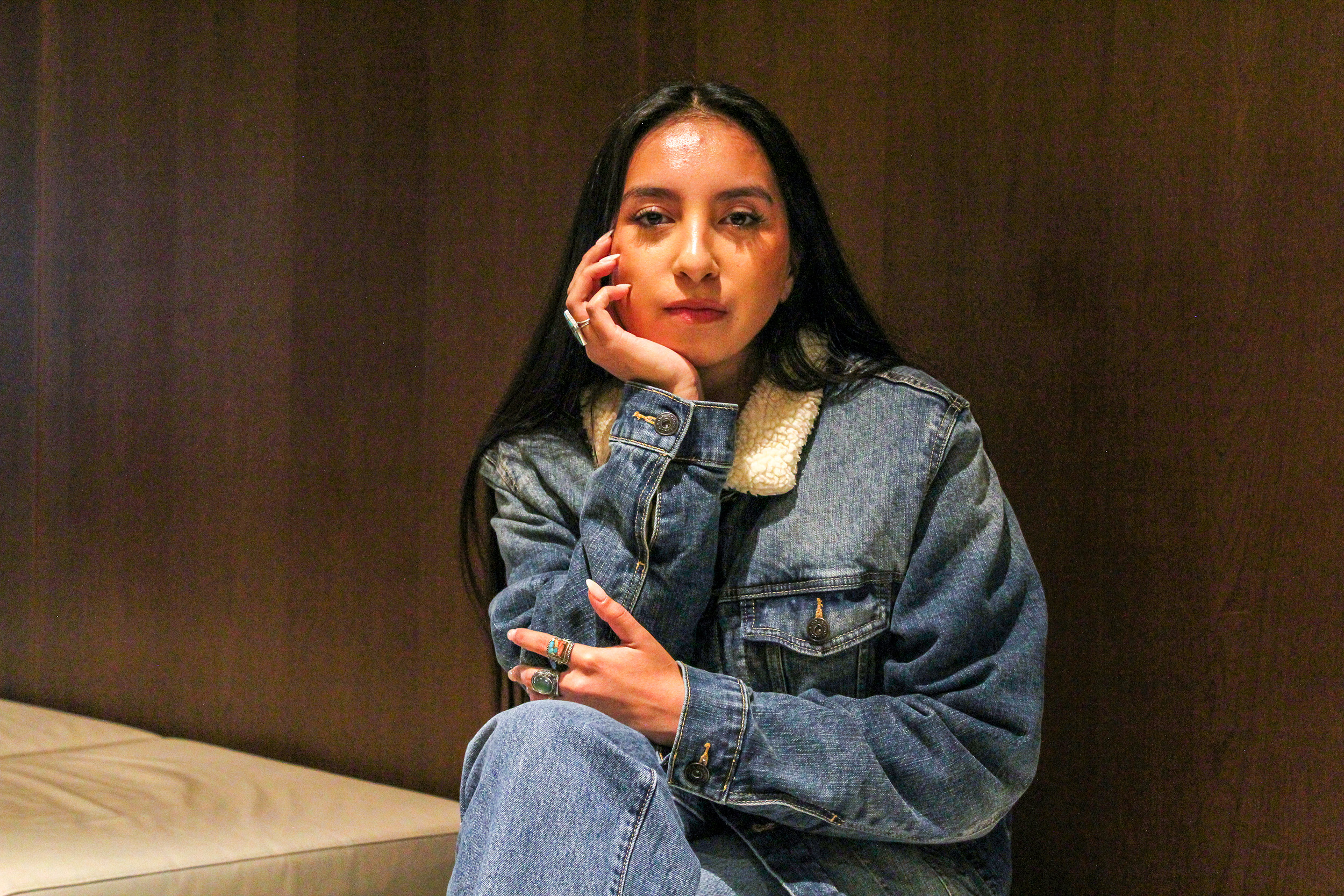
This year marks the organization’s largest cohort yet in SU history. Kaitlyn Galeazzi | Staff Photographer
The current Native Student Program becoming the largest in the university’s history reflects the importance of spaces where students can find others with shared backgrounds and experiences, particularly for those who may be coming from smaller Native communities, Hesley said.
The Native Student Program events often overlap with Indigenous Students at Syracuse, like its “Friendsgiving” event on Monday.
Morgan Huff, vice president of ISAS, the only student organization for Indigenous students at SU, said the two groups work together to create “a sense of home” for native and Indigenous students.
“They provide us a space to share with people who come from the same culture and values as I do, and it’s been essential to my success so far,” Huff said. “To be able to learn my history while simultaneously sharing with the Syracuse community is something that I’m grateful and proud to be part of.”
Since graduating in 2019, SU alum and former ISAS President Maris Jacobs said she continues to hear about the success of both programs, saying most Indigenous Students grow up with lots of familial support.
“Most of us come to Syracuse with that environment already fostered for us,” Jacobs said. “So the Native Student Program, it replicates that to some extent, and tries to fill the gaps that are created when you leave your community for the first time.”
The Native Student Program events are open to all SU students, and Jacobs encourages students to attend, form connections and “learn something you would not have otherwise.”
“They’re there not just to educate others, but there to celebrate our own existence, culture and resilience,” Jacobs said.