
Opinion: Chalamet’s dismissal of fine arts should remind us of their value
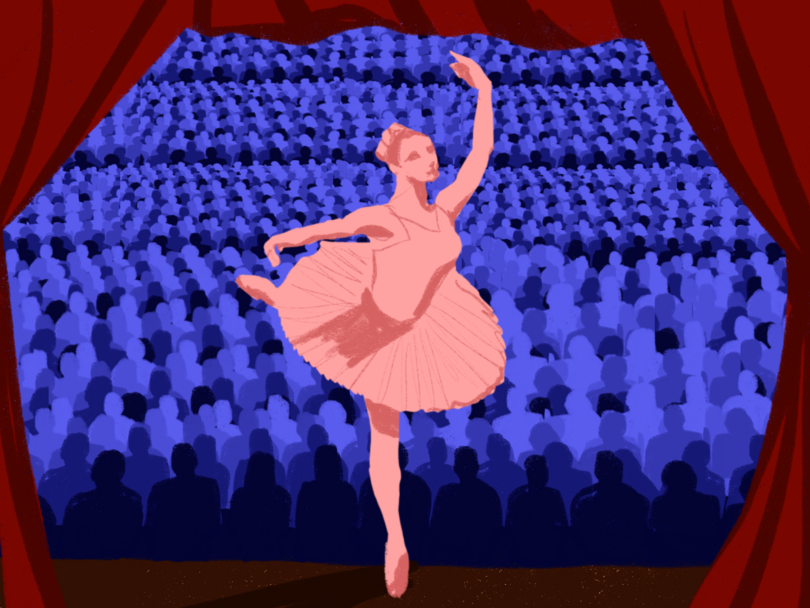
In an era where entertainment is evaluated based on views and clicks, it is important to appreciate in-person art, our columnist claims. Ballet and opera are two influential art forms that can’t be pushed aside, she argues. Khloe Scalise | Contributing Illustrator
Get the latest Syracuse news delivered right to your inbox.
Subscribe to our newsletter here.
In late February, actor Timothée Chalamet — known for his roles in films such as “Call Me By Your Name,” “Little Women” and his most recent work “Marty Supreme” — sparked controversy when he suggested that “no one cares” about ballet or opera anymore.
The remark was made during a public conversation about film and culture with actor Matthew McConaughey on Variety’s YouTube channel. What may have been intended as an offhand comment quickly drew backlash from artists and fellow performers, who argued that dismissing centuries-old art forms reflects a misunderstanding of their role in society.
On the surface, the reaction cycle followed a familiar script: a celebrity makes an ignorant remark, social media erupts and the story becomes fodder for awards show monologues. At the 2026 Oscars, host Conan O’Brien even poked fun at the moment, joking that the ballet and opera communities might be after Chalamet for his comment.
But the real issue isn’t whether one actor misspoke. Moments like this are more useful as reminders of something larger: The arts only disappear when people decide they no longer matter.
After bringing up ballet and opera, Chalamet quipped that he had “just lost 14 cents of viewership.” The line was meant to be humorous, but it revealed something deeper about the way culture is measured today. In an era dominated by streaming metrics and engagement statistics, artistic value is increasingly framed in terms of views, clicks, revenue and audience share.
By those standards, ballet and opera will always seem irrelevant. These art forms were never designed to compete with the speed and accessibility of modern media. A ballet performance requires months of rehearsal for a production that exists only in the moment. An opera may unfold over three hours or be sung in another language, demanding patience and focus from the audience.
But, the attention required to appreciate ballet and opera is what makes them such powerful art forms.
The arts aren’t simply entertainment — they’re one of the ways communities make meaning together. A theater filled with people watching the same performance creates a shared cultural experience that can’t be replicated anywhere else. This is why artists responded so strongly to Chalamet’s comment, with many pointing out that cinema itself owes much to the traditions of opera and theater.
Film scores, for example, often draw directly from operatic structure. Composer James Horner famously drew inspiration from Sergei Prokofiev’s “The Battle on the Ice” when composing the score for “Star Trek II: The Wrath of Khan.” The influence of classical music is embedded in the way films build tension through sound.
Stagecraft has also shaped the visual language of filmmaking. Directors have long borrowed techniques from theatrical production, from painted backdrops to dramatic lighting. Victor Fleming’s “The Wizard of Oz,” for example, relied heavily on techniques that originated in stage musicals, such as elaborate sets and vibrant costumes.
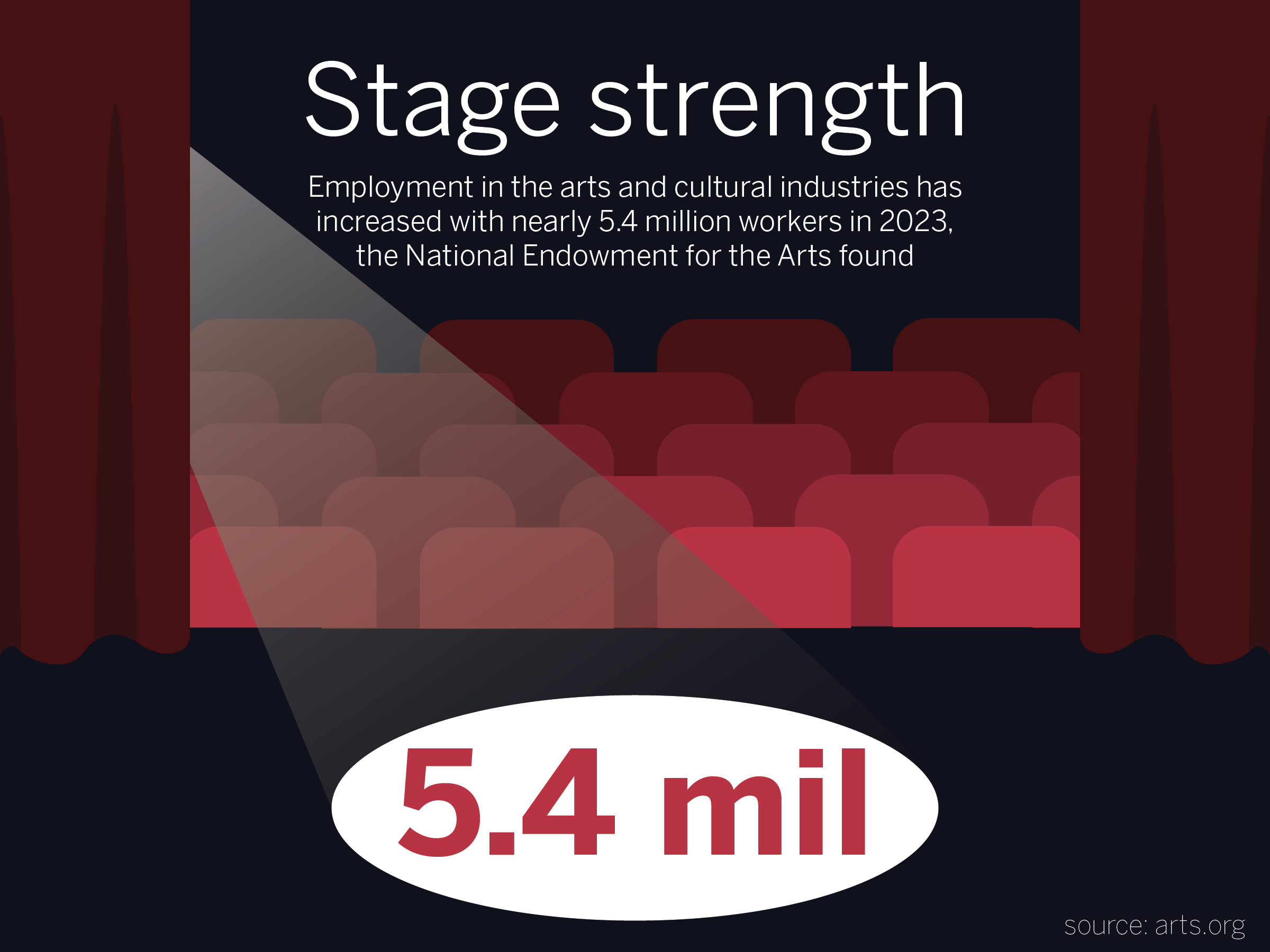
Zoey Grimes | Digital Editor
Furthermore, choreography informs the way movement is used to tell stories on screen. Jerome Robbins translated Broadway dance choreography into cinematic storytelling in “West Side Story,” where conflicts are expressed through movement instead of dialogue. In moments like these, dance becomes a form of narrative language.
To dismiss these art forms is to overlook the foundation on which modern entertainment stands.
Of course, Chalamet’s criticism shouldn’t be discredited entirely. Ballet and opera do face real challenges such as declining attendance, high ticket prices and a reputation for elitism. But if younger audiences feel disconnected from these traditions, cultural institutions have a responsibility to adapt and experiment with accessibility and outreach.
In fact, this adaptation has already begun. Ballet companies collaborate with contemporary choreographers, opera houses stage modern reinterpretations of classic works and community programs bring performances into schools and public spaces.
But acknowledging those challenges isn’t the same as declaring the arts irrelevant. If anything, the intensity of the reaction to Chalamet’s comment shows the opposite. People care deeply about these art forms because they understand what would be lost if they were gone.
The question, then, isn’t whether ballet and opera still matter. It’s whether we’re willing to defend the spaces where art can exist — by showing up, supporting institutions and refusing to dismiss them as irrelevant. Once we start saying “no one cares,” it becomes easier for that statement to become true.
Gain Lim is a freshman majoring in Health & Exercise Science. She can be reached at glim06@syr.edu